
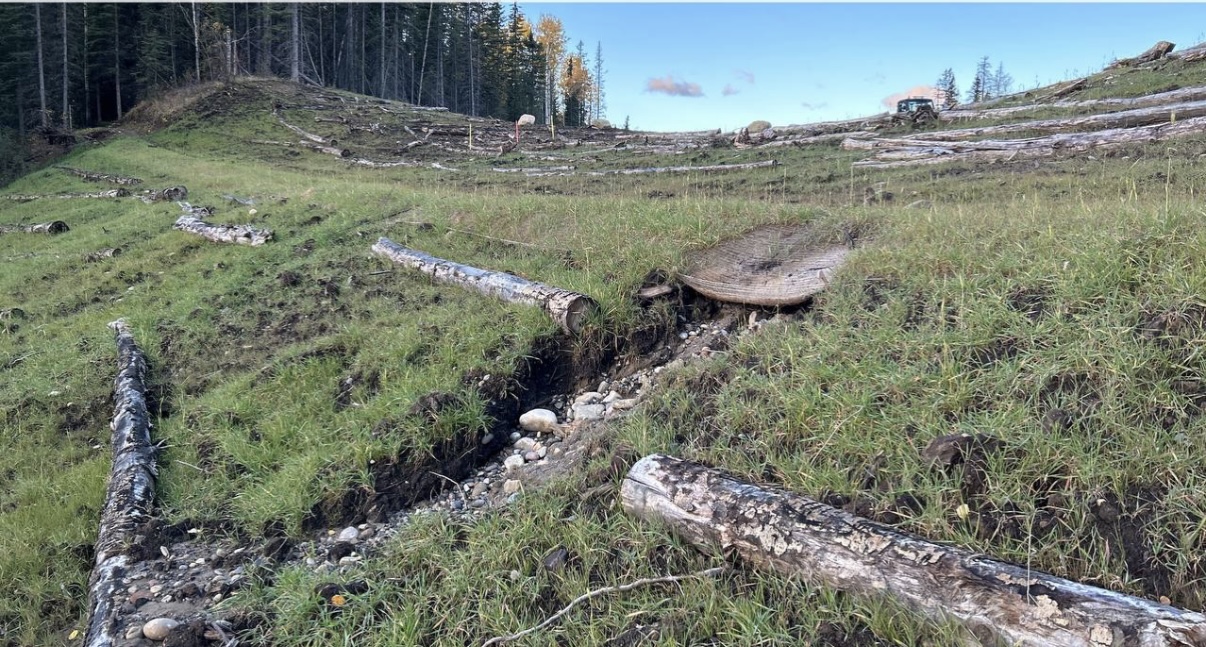
When it comes to energy development, environmental compliance is the foundation of responsible, sustainable progress.
At Confluence Environment, we’ve seen how even small oversights can lead to project delays, budget overruns, regulatory penalties, or full work stoppages. Ensure your project is properly planned to avoid unnecessary delays and costs.
So what are the most common (and costly) environmental compliance mistakes we see in the field—and how can you avoid them?
1. Missing Seasonal Timing Windows for Biophysical Studies
Many wildlife and vegetation assessments must be conducted during specific regulated windows, based on species’ life cycles and snow-free conditions. Miss the timing, and you may be stuck waiting.
How to avoid it:
Engage early and schedule a pre-disturbance site assessments to identify and meet your study windows and maintain project milestones.
2. Not Consulting the Right Regulatory Body
Is your project under municipal, provincial, or federal jurisdiction? If you’re not clear on who to talk to—or when—you risk missteps that could delay approvals.
How to avoid it:
Partner with experts who can map out your regulatory pathway and ensure you’re consulting with the right decision-makers at the right time.
3. Incomplete or Inaccurate Regulatory Submissions
Mistakes in assessments, missing details, or inconsistent documentation can derail even the best-planned project. Regulators expect clarity and compliance.
How to avoid it:
Use a consultant who knows what regulators are looking for, and can deliver complete, audit-ready submissions the first time.
4. Overlooking Requirements for Specific Environmental Features
Wetlands, watercourses, rare plants, wildlife corridors—every site has unique characteristics. Missing just one critical feature can result in non-compliance or forced re-routing.
How to avoid it:
Conduct thorough biophysical assessments up front to identify all environmental sensitivities and build your strategy around them.
5. Undefined Construction Methodologies
You may have good intentions, but if you can’t demonstrate how you’ll mitigate environmental impacts during construction, your approvals may stall—or fail.
How to avoid it:
Work with a team that understands how to define and document construction methodologies tied to mitigation strategies and regulatory expectations.
6. Misaligned Construction Schedule & Restricted Activity Periods (RAPs)
Building during the wrong season or inside a RAP window can result in serious environmental consequences—and regulatory action.
How to avoid it:
Align your construction planning with environmental and regulatory constraints to avoid last-minute changes and keep your schedule intact.
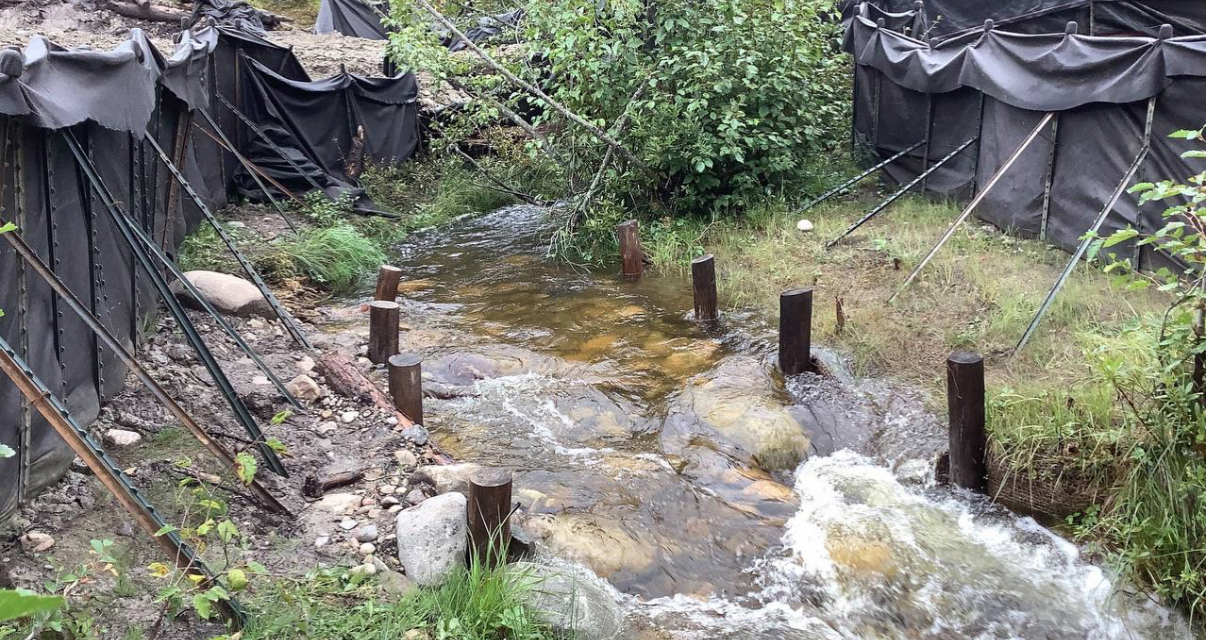
How Confluence Environment Can Help
We help clients stay on track, in compliance, and ahead of costly surprises. Our team delivers tailored support including:
- Pre-disturbance site assessments
- Biophysical assessments
- Strategic regulatory planning & submissions
- Route planning and consultation
- Construction planning and execution support
- On-site construction monitoring & mitigation
Our collaborative, experienced, science-based approach ensures you can develop with confidence, knowing your project aligns with both environmental regulations and sustainability goals.
💬 Ready to avoid the setbacks and move forward with confidence?