
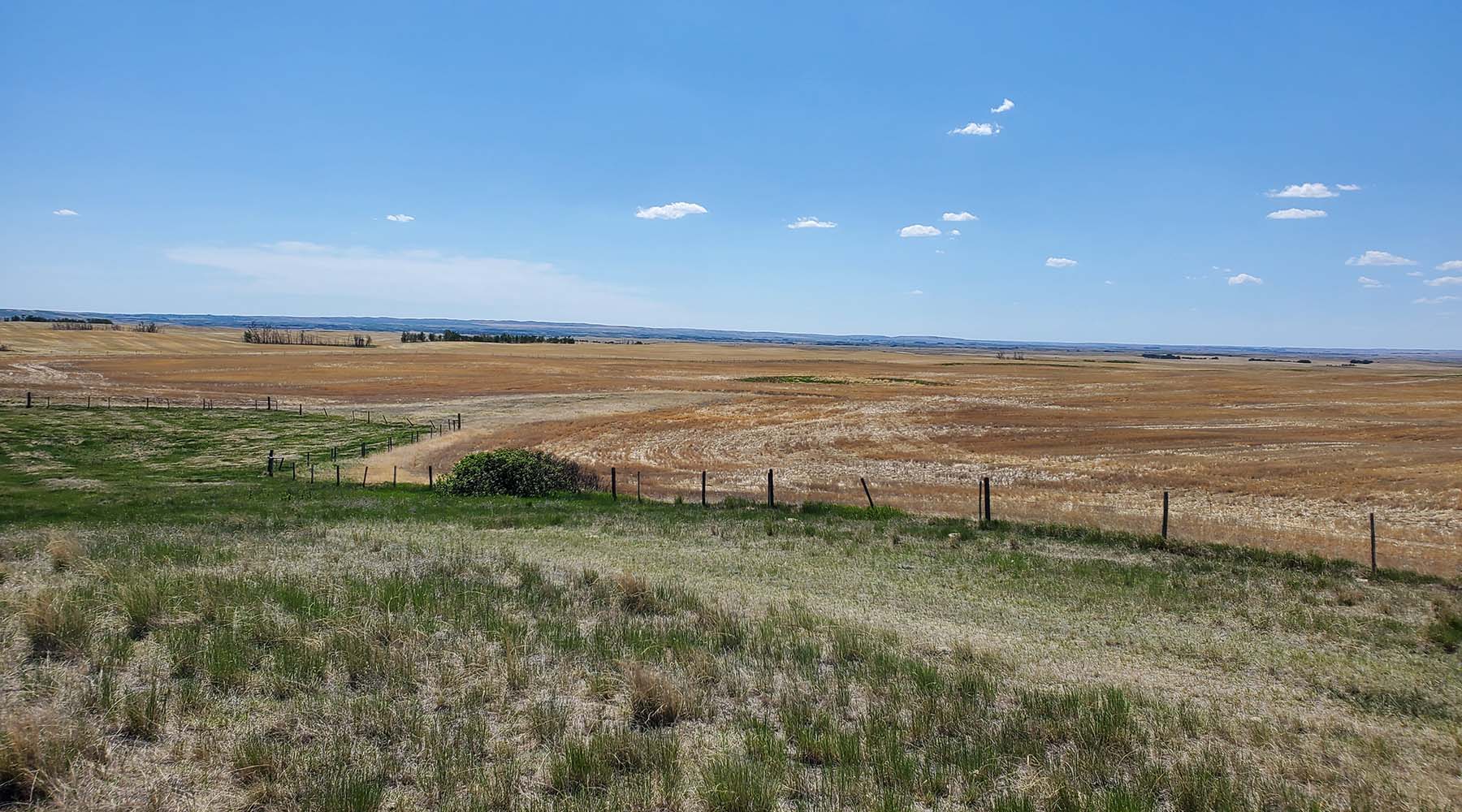
Launching a successful energy project requires thoughtful planning across key areas, from site selection to regulatory compliance. To proactively manage risks and optimize project outcomes, planning is key to address complex regulatory landscapes, diverse ecosystems, and stakeholder expectations. Strategic planning not only minimizes environmental impacts but also enhances efficiency and builds community trust, ensuring projects are both sustainable and beneficial.
Below, we outline the essential steps to consider when planning a project.
1) SITE SELECTION
Proper site selection is fundamental to project success, balancing feasibility with minimal environmental and community impact. Key factors include:
- Proximity to other energy resources
- Access to existing infrastructure
- Environmental constraints
- Local zoning and land use regulations
- Community impacts and acceptance
Beyond desktop analysis, “ground truthing” the project footprint is vital to accurately identify environmental features and avoid costly overruns. Real-time data collection can accelerate the approval process by:
- Identifying wildlife features that may have moved into the area, allowing for timely regulatory engagement and mitigation.
- Assessing environmental features that may be impacted by construction.
- Anticipating regulatory timing to streamline applications and support construction schedules.
- Supporting construction planning by analyzing the biophysical environment and topography.
Tip: Address potential restrictions through a desktop assessment, followed by on-site verification to prioritize areas for risk mitigation and expedite regulatory hurdles.
2) REGULATORY COMPLIANCE
Navigating regulatory framework is crucial. Early understanding of submission requirements is key to:
- Securing necessary permits and approvals (environmental, construction, etc.)
- Complying with local, provincial, and federal regulations
- Defining environmental assessments and studies required for the project
Engage regulatory bodies early to align on methodologies and ensure your approach meets all necessary requirements, avoiding costly delays.
3) COMMUNITY ENGAGEMENT
Effective community engagement builds support and reduces opposition. Proactive outreach allows you to:
- Consult with local stakeholders and incorporate feedback early in the process
- Address community concerns and clarify benefits
- Develop a community benefits plan if relevant
- Maintain open communication throughout project development
Early engagement can foster strong relationships, turning potential challenges into support, and obtaining approvals for the project.
4) ENVIRONMENTAL CONSIDERATIONS
Environmental planning ensures project sustainability. Comprehensive assessments should:
- Establish baseline data on local ecosystems
- Identify potential impacts on wildlife, waterbodies, and sensitive features
- Develop mitigation strategies to minimize environmental impacts
- Consider cumulative effects from nearby developments
By addressing these considerations, you can protect biodiversity and ensure long-term project viability in natural landscapes.
By prioritizing site selection, regulatory compliance, community engagement, and environmental considerations from the start, energy projects can proceed with respect for the environment and surrounding communities. Responsible planning is more than meeting requirements – it’s a commitment to environmental stewardship and positive community relationships. With careful preparation, energy projects can move forward sustainably, benefitting both the industry and the surrounding environment.